Uplifting novels are like a warm hug wrapped in a cozy blanket on a rainy day; they promise to lift your spirits and sprinkle joy over your brain like confetti. Imagine diving into stories where hope reigns supreme, where characters overcome obstacles faster than you can say “plot twist!”!
These literary gems not only entertain but also inspire with themes of resilience, growth, and the triumph of the human spirit. As we explore the most popular uplifting novels, we’ll uncover the magical qualities that make them so enchanting and the authors whose own remarkable journeys fuel these stories.
Popular Uplifting Novels

In the vast ocean of literature, uplifting novels serve as a buoy, keeping our spirits afloat amidst the waves of life’s challenges. These stories are not just tales; they are beacons of hope, reminding us that even in the darkest times, there’s light to be found. Here, we explore five remarkable novels that have not only captured hearts but have also inspired generations.
Top Five Uplifting Novels
These five novels stand out for their ability to uplift and inspire. Each one offers unique themes and insights into the human experience, showcasing resilience, love, and the power of hope.
- The Alchemist by Paulo Coelho
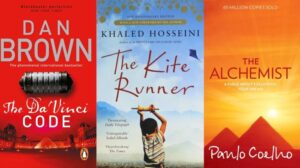
This modern classic follows Santiago, a young shepherd, on his quest to discover his personal legend. Coelho’s philosophical exploration of destiny and dreams encourages readers to pursue their passions and listen to their hearts. The theme of self-discovery resonates deeply, reflecting Coelho’s own journey from a struggling writer to a global literary icon. - Wonder by R.J. Palacio
A heartwarming tale about Auggie, a boy with facial differences attending school for the first time. Through the eyes of various characters, the novel explores themes of kindness, acceptance, and the importance of empathy. Palacio’s inspiration stemmed from her desire to teach her children about compassion, making this story a personal mission turned literary success. - The Little Prince by Antoine de Saint-Exupéry
This enchanting novella tells the story of a young prince who travels from planet to planet, learning valuable life lessons about love, loss, and friendship. The themes of innocence and the importance of seeing with the heart resonate with readers of all ages. Saint-Exupéry’s experiences as a pilot and his reflections on human nature influenced this timeless tale. - Eat, Pray, Love by Elizabeth Gilbert
A memoir that chronicles Gilbert’s journey of self-discovery through Italy, India, and Indonesia. The themes of personal growth, spirituality, and the quest for balance highlight the importance of nurturing the mind, body, and soul. Gilbert’s own struggles with depression and a tumultuous divorce inspired her to share her story of healing and self-love. - Becoming by Michelle Obama
In her powerful memoir, the former First Lady shares her journey from the South Side of Chicago to the White House. The themes of resilience, empowerment, and the quest for identity are prevalent throughout the narrative. Obama’s experiences as a mother, professional, and public figure offer an inspiring perspective on overcoming obstacles and advocating for change.
Characteristics of Inspirational Fiction
Inspirational fiction, often a delightful blend of heartwarming narratives and transformative experiences, invites readers to embark on journeys filled with hope, resilience, and the occasional plot twist that even a rollercoaster would envy. With a sprinkle of optimism and a dash of emotional depth, these stories evoke a kaleidoscope of positive emotions that leave readers feeling uplifted and inspired.At the core of inspirational fiction lies its propensity to depict relatable characters facing life’s adversities, ultimately triumphing through courage and perseverance.
This genre often emphasizes themes such as redemption, personal growth, and the power of love and friendship, creating narratives that resonate deeply and encourage readers to reflect on their own lives. Through vivid storytelling and relatable scenarios, readers find themselves cheering for characters whose journeys mirror their aspirations and struggles.
Comparative Analysis of Inspirational Fiction Subgenres
Understanding the diverse landscape of inspirational fiction helps readers appreciate the variety of uplifting narratives available. Below is a table that compares different subgenres of inspirational fiction, highlighting key characteristics and notable examples.
| Subgenre | Key Characteristics | Examples |
|---|---|---|
| Romantic Inspirational Fiction | Focuses on love stories that overcome obstacles, often featuring strong emotional bonds. | “The Notebook” by Nicholas Sparks |
| Spiritual Inspirational Fiction | Centers around themes of faith, hope, and divine guidance, often incorporating spiritual lessons. | “The Alchemist” by Paulo Coelho |
| Historical Inspirational Fiction | Set in historical contexts, these stories often highlight human resilience during challenging times. | “The Book Thief” by Markus Zusak |
| Contemporary Inspirational Fiction | Explores modern issues with a hopeful twist, often featuring relatable, everyday characters. | “A Man Called Ove” by Fredrik Backman |
Character development plays a pivotal role in uplifting novels, transforming protagonists from ordinary individuals into extraordinary examples of resilience. These journeys often showcase a spectrum of human emotions, illustrating how challenges can lead to profound personal growth. For instance, in “The Fault in Our Stars” by John Green, Hazel Grace Lancaster navigates her battle with cancer, ultimately discovering love, friendship, and the importance of making the most of every moment.
Similarly, in “Eat, Pray, Love” by Elizabeth Gilbert, the author’s quest for self-discovery across Italy, India, and Indonesia exemplifies how travel and introspection can lead to transformative experiences, encouraging readers to seek their own paths of fulfillment.Through these compelling journeys, inspirational fiction not only entertains but also fosters a deep sense of connection, urging readers to embrace their own potential for change and growth.
The Impact of Uplifting Novels on Readers
Uplifting novels serve as a delightful escape from the mundane, whisking readers away on journeys filled with joy, hope, and inspiration. These literary gems not only entertain but also leave an indelible mark on the psyche of readers, fostering positive emotions and encouraging personal reflection. Research reveals that immersing oneself in uplifting narratives can lead to significant psychological benefits, enhancing mood and promoting a sense of well-being.Studies have shown that reading uplifting stories can trigger the release of dopamine, a neurotransmitter responsible for feelings of pleasure.
A notable study published in the Journal of Positive Psychology demonstrated that readers who engaged with positive fiction reported lower levels of stress and higher life satisfaction. Moreover, the act of reading these novels often leads to increased empathy and understanding towards others, as readers connect deeply with the characters’ journeys.
Reader Testimonials and Inspirational Quotes
The influence of uplifting novels on readers is not just a matter of scientific study; it’s also reflected in heartfelt testimonials and quotes from those whose lives have been touched by these works. Many readers have found solace and encouragement in the pages of their favorite uplifting novels. Here are some snippets that echo the transformative power of these narratives:
“After reading ‘The Alchemist,’ I realized that pursuing my dreams is not just a whimsical idea, it’s a necessity!”
Jenna T.
“‘Eat, Pray, Love’ helped me navigate the turmoil of my divorce. It inspired me to seek joy in the little things again.”
Marcus L.
These testimonials highlight the profound impact that uplifting stories can have, often serving as catalysts for change during turbulent times.
The Influence of Uplifting Stories on Personal Growth and Resilience
Uplifting novels often act as mirrors reflecting the potential for growth and resilience within individuals. They encourage readers to tap into their inner strength and face challenges head-on. This section delves into the various ways these stories contribute to personal development:Uplifting novels inspire readers to embrace change and overcome adversities through relatable characters and scenarios. The following points illustrate the diverse influences these literary works have on personal growth:
- Fostering Hope: Uplifting novels often portray characters who triumph over adversity, instilling hope in readers that they too can surmount their challenges.
- Encouraging Empathy: By immersing readers in the lives of diverse characters, these novels promote understanding and compassion, crucial for personal development.
- Building Resilience: The journeys of protagonists who face and overcome obstacles serve as powerful reminders that resilience is a skill that can be cultivated.
- Instilling Positivity: Engaging with positive narratives can shift a reader’s mindset, encouraging a more optimistic outlook on life.
- Promoting Self-Reflection: Uplifting stories often encourage readers to reflect on their own lives, fostering personal insights and growth.
Closing Summary
In the end, uplifting novels are not just tales; they are life’s little cheerleaders, reminding us that there’s always a silver lining, even when the clouds seem to loom large. So whether you’re in need of a pick-me-up or simply want to bask in the glow of positivity, these stories have got your back, urging you to flip the page and embrace the adventure!
FAQ Summary
What are uplifting novels?
Uplifting novels are stories that inspire hope, positivity, and personal growth, often featuring characters overcoming challenges.
Can uplifting novels really change my mood?
Absolutely! Reading uplifting novels can enhance your mood, reduce stress, and provide a renewed sense of hope.
Are there specific themes I should look for in uplifting novels?
Look for themes of resilience, friendship, love, and personal transformation!
How do I choose the right uplifting novel for me?
Consider your mood and interests; check summaries or reviews to find a story that resonates with you!
Do uplifting novels have to be fiction?
Not at all! While many are fictional, non-fictional works that inspire and motivate can also be categorized as uplifting!