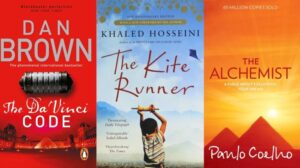
Welcome to the whimsical world of Life-changing fiction, where books are like magical portals that can teleport you from the mundane to the extraordinary! Imagine diving into a story so powerful it nudges you to reconsider your morning coffee routine or, dare we say, your very existence! These narratives aren’t just tales; they’re transformative journeys waiting to sweep you off your feet and onto a path of inspiration.
Life-changing fiction is more than just a genre; it’s a treasure trove of key themes like resilience, self-discovery, and the universal quest for meaning. From the heartwarming classics to contemporary masterpieces, these books promise to leave indelible marks on our hearts and minds, urging us to embrace change and ignite our inner spark!
Understanding Life-Changing Fiction
Life-changing fiction is the magical potion of literature that can transform a reader’s perception, provoke thought, and even inspire significant life changes. It’s those books that don’t just entertain but resonate deeply within us, leaving us questioning our choices, beliefs, and sometimes even our wardrobe decisions. Truly, the right story can rewrite the script of our lives!A piece of fiction becomes life-changing when it taps into universal themes that provoke introspection and empathy.
These narratives often explore the human condition, touching on profound concepts like love, loss, identity, and redemption. The characters feel as real as your annoying neighbor, and their struggles mirror our own, making us ponder the meaning of our existence, especially during those late-night ice cream binges.
Key Themes in Life-Changing Novels
Several themes recur in life-changing fiction, serving as the backbone of these transformative tales. Understanding these themes allows readers to appreciate the profound nature of the stories they engage with.
- Growth and Transformation: Many life-changing novels illustrate the journey of personal development, where characters evolve through trials and tribulations. Think of “Eat, Pray, Love” where Elizabeth Gilbert travels the world, seeking not just pasta, but a deeper understanding of herself.
- Love and Relationships: Exploring the complexity of human connections is a powerful theme. “The Fault in Our Stars” by John Green dives into young love and the harsh realities of life, making readers both laugh and cry—often simultaneously.
- Identity and Self-Discovery: Stories that explore identity can lead to profound realizations. “The Alchemist” by Paulo Coelho takes readers on a quest for personal legend, showing how self-discovery is often the most significant adventure of all.
- Hope and Resilience: Many novels focus on the strength of the human spirit in the face of adversity. “The Book Thief” by Markus Zusak reminds us that even in the darkest of times, words can be a beacon of hope.
These themes are not merely plot devices but essential elements that bind the reader to the story, prompting reflection and sometimes a bit of soul-searching.
Examples of Popular Life-Changing Fiction Works
A selection of renowned novels exemplifies the transformative power of fiction. These works have left an indelible mark on readers around the globe and continue to inspire discussions, reflections, and the occasional existential crisis.
- To Kill a Mockingbird by Harper Lee: This classic explores themes of racial injustice and moral growth, challenging readers to reflect on their own ethical beliefs.
- The Catcher in the Rye by J.D. Salinger: A teenager’s struggle with alienation resonates with many, prompting introspection about adolescence and the quest for authenticity.
- Life of Pi by Yann Martel: A story of survival that intertwines faith, spirituality, and the essence of storytelling, encouraging readers to ponder the nature of belief and resilience.
- The Kite Runner by Khaled Hosseini: This unforgettable tale of friendship and redemption addresses complex themes of guilt and forgiveness, stirring deep emotions and self-reflection.
Each of these novels invites readers to embark on a personal journey, discovering not just the world within the pages but also the world within themselves.
“Fiction is the lie through which we tell the truth.” – Albert Camus
The Impact of Inspirational Fiction
Inspirational fiction has the remarkable ability to not only entertain but also transform the perspectives of its readers. It serves as a mirror reflecting the best parts of humanity while simultaneously challenging us to rise above our circumstances. Through the pages of these stories, we discover new ways of thinking, feeling, and understanding our own lives. It’s like having a motivational speaker in your pocket, minus the awkward eye contact.The influence of inspirational fiction stretches far beyond mere escapism; it often incites a profound internal dialogue, prompting readers to reconsider their life’s purpose and aspirations.
Characters in these narratives frequently embark on journeys of self-discovery, resilience, and hope, resonating deeply with audiences who may be facing their own battles.
Transformative Reader Experiences
Numerous readers have shared their stories of life changes inspired by the pages of inspirational fiction. These tales showcase the profound, sometimes whimsical, effects of storytelling on real lives.
“Books are a uniquely portable magic.” – Stephen King
One remarkable example is the story of Sarah, a once-timid accountant who found courage through the fictional character of Katniss Everdeen in Suzanne Collins’The Hunger Games*. Inspired by Katniss’s bravery and tenacity, Sarah decided to pursue her dream of becoming a writer, ultimately publishing her own collection of short stories that reflect her journey. Another inspiring account comes from James, who was struggling with addiction.
He picked upThe Alchemist* by Paulo Coelho and was moved by Santiago’s quest for dreams and personal legends. This narrative sparked something within him, leading him to seek help and embark on a journey toward sobriety and self-fulfillment.The power of inspirational fiction can also be illustrated through the literary works of notable authors known for their uplifting narratives. These writers have made significant contributions to the genre, often intertwining hope and life lessons within their plots.Here is a list of some prominent authors recognized for their inspirational works:
- Paulo Coelho – Best known for
-The Alchemist*, his stories often explore the themes of destiny and personal legends. - Cheryl Strayed – Author of
-Wild*, she inspires readers with her journey of healing and self-discovery through hiking the Pacific Crest Trail. - Mitch Albom – Renowned for
-Tuesdays with Morrie*, his narratives often highlight the wisdom shared between generations and the importance of relationships. - Elizabeth Gilbert – Known for
-Eat, Pray, Love*, she encourages readers to explore the world and themselves in pursuit of happiness. - R.J. Palacio – Author of
-Wonder*, which teaches the power of kindness and acceptance through the story of a boy with facial differences.
Each of these authors has crafted tales that resonate with the human experience, offering not just stories, but lessons that can reshape our outlook on life. Inspirational fiction is truly a treasure trove of insights waiting to be explored by readers eager to change their lives and the world around them.
Crafting Your Own Life-Changing Story
Creating a life-changing story is like baking a cake—if you forget the sugar, you’ll end up with something crunchy and unappetizing. It requires careful selection of ingredients, a dash of creativity, and a sprinkle of humor. The essential elements in your narrative will not only captivate your audience but also leave them pondering the profound changes in their own lives.
Let’s dive into the recipe for crafting a tale that transforms!
Essential Elements to Include in a Life-Changing Narrative
Every life-changing story needs a solid foundation. These elements serve as the backbone of your narrative, making it irresistible and impactful. Below are vital components that should be included:
- A Relatable Protagonist: Your hero or heroine should embody traits that readers can connect with, even if they’re an intergalactic llama. Readers need to see themselves reflected in your character’s journey.
- Personal Conflict: This is where the drama unfolds! Personal conflicts, whether emotional, physical, or mental, create the tension that keeps readers glued to the page, like a toddler to a candy jar.
- Growth and Change: The character’s growth is paramount. They should evolve through their experiences, ideally becoming more enlightened, much like a caterpillar transforming into a butterfly—but with fewer existential crises.
- Inspiration: Infuse moments of inspiration throughout the narrative that can light a spark in readers. Think of it as adding a secret ingredient that elevates the dish to gourmet status.
- A Satisfying Resolution: End your narrative with a resolution that feels complete. Leave loose ends tied up and ensure that your characters’ journeys resonate long after the last line is read.
Design Character Arcs That Resonate With Readers
Character arcs are the journeys that your protagonists traverse, and they should be as thrilling as a rollercoaster ride. Designing compelling character arcs involves understanding your characters at their core and mapping their evolution through the plot. Here’s how to craft arcs that pack an emotional punch:
- Start with Flaws: Flawed characters are relatable. Begin with your character facing significant issues—perhaps they need to learn the value of friendship or how to stop talking to inanimate objects.
- Introduce Challenges: Throw your character into the deep end with challenges that force them to confront their flaws. This can lead to hilarious blunders or poignant moments that tug at the heartstrings.
- Provide Mentorship: A mentor can guide the protagonist through their journey. This character can be a wise old owl or a sarcastic sidekick who provides life lessons with a side of humor.
- Highlight Moments of Realization: Include pivotal moments where the character realizes their potential. These “Aha!” moments are crucial in creating relatable transformations.
- Wrap Up with a New Identity: By the story’s end, your character should emerge transformed, carrying with them the wisdom and lessons learned, much like a phoenix rising from the ashes—but hopefully without the singed feathers.
Creating Plot Twists That Lead to Inspirational Revelations
Plot twists are the unexpected surprises that leave readers gasping—and perhaps laughing as they re-evaluate everything they thought they knew. Crafting effective plot twists that resonate requires careful planning and an understanding of reader expectations. Here’s the magic formula for twist creation:
- Foreshadowing: Drop subtle hints throughout the story that will make your twist feel organic when it lands. Think of it as planting seeds in a garden—you don’t want it to look like a weed surprise!
- Mislead with Purpose: Lead your readers down the garden path with red herrings and distractions, but remember to keep it believable. Nobody likes a twist that feels like it was pulled from a magician’s top hat without any preparation.
- Revelation Moments: When the twist is revealed, make sure it’s a moment of clarity that adds depth to the story. Readers should feel like they’ve unlocked a hidden door to a secret room filled with insights.
- Connect to the Theme: Ensure that the twist aligns with the overarching theme of the narrative. This will enhance the impact of the revelation, leaving readers pondering the intricacies of life, love, and the inexplicable nature of cat videos.
- Emotional Resonance: Aim for a twist that not only surprises but also evokes strong emotions. Whether it’s laughter, tears, or a combination of both, the emotional connection to the twist will solidify its memorability.
End of Discussion

As we close the chapter on this exploration of Life-changing fiction, let’s remember that these stories don’t just entertain; they empower us to dream bigger and live bolder. Whether you’re penning your own tale or discovering a new favorite author, know that the pages you turn today may just inspire the leaps you take tomorrow. So grab a book, kick back, and let the magic of fiction reshape your reality!
Quick FAQs
What makes a book life-changing?
A life-changing book often resonates deeply with readers, sparking new perspectives or inspiring personal growth through its themes and characters.
Can life-changing fiction really alter one’s life?
Absolutely! Many readers have shared stories of how a particular book shifted their mindset or encouraged them to make significant life decisions.
Are there specific themes to look for in these books?
Yes! Look for themes like resilience, love, self-discovery, and redemption, which often serve as catalysts for change in readers’ lives.
Who are some notable authors in this genre?
Authors like Paulo Coelho, Maya Angelou, and Viktor Frankl are celebrated for their powerful, life-affirming narratives.
How can I create my own life-changing story?
Focus on relatable characters, meaningful journeys, and plot twists that evoke deep emotions to connect with your readers on a profound level.