
Books about personal growth are like the GPS for your soul’s road trip, guiding you through potholes of self-doubt and over mountains of potential! Get ready to dive into the delightful world of self-improvement literature, where authors sprinkle their wisdom like fairy dust, helping us transform from ordinary to extraordinary, one insightful page at a time.
In this literary adventure, we’ll explore the significance of personal growth themes, the crafty techniques that can turn your life around, and how those heartwarming tales of inspirational fiction can light a fire in your heart. Buckle up, because this journey is bound to be as enlightening as it is entertaining!
Personal Growth Concepts in Literature
Personal growth is like a kaleidoscope of self-discovery, transformation, and the occasional existential crisis that makes you question if your coffee is really that strong or if you’re just unraveling like an old sweater. In literature, themes of personal growth serve as guiding lights, illuminating the often-bumpy path to self-improvement and fulfillment. These narratives encourage readers to shed their metaphorical cocoon and embrace their inner butterfly—preferably without the awkward flapping.The significance of personal growth themes in books lies in their power to resonate with readers on a deeply personal level.
Authors bring their unique perspectives on self-improvement, often reflecting their own quest for meaning and growth. By connecting through stories of struggle, triumph, and the occasional faceplant, readers gain insights that inspire action and reflection in their own lives.
Approaches to Self-Improvement by Different Authors
Authors tackle the subject of self-improvement with diverse voices and styles, creating a rich tapestry of insights. Each writer offers a unique lens through which readers can examine their own experiences. Here are several notable approaches that stand out in the world of personal growth literature:
- Practical Wisdom: Authors like Stephen R. Covey advocate for actionable principles, such as in “The 7 Habits of Highly Effective People.” Covey’s approach emphasizes character ethics over personality ethics, guiding readers to cultivate habits that lead to genuine success.
- Emotional Intelligence: Daniel Goleman’s “Emotional Intelligence” redefined the way we perceive intelligence, suggesting that understanding emotions is as crucial as cognitive skills. This book teaches readers the importance of empathy and self-awareness in personal and professional relationships.
- Humor and Relatability: In “You Are a Badass,” Jen Sincero combines humor with motivational advice, making self-help feel less like a chore and more like a pep talk from a quirky friend. Her approach resonates with those who appreciate a light-hearted twist on serious topics.
- Spiritual Awakening: Eckhart Tolle’s “The Power of Now” delves into mindfulness, urging readers to embrace the present moment. Tolle’s philosophy offers a spiritual dimension to personal growth, challenging conventional notions of self-improvement.
- Storytelling as a Tool: Brené Brown employs vulnerability and storytelling in her works like “Daring Greatly,” demonstrating how embracing imperfection is essential for growth. Her emphasis on authenticity encourages readers to connect deeply with themselves and others.
Influential Personal Growth Books and Their Impact
Numerous personal growth books have left indelible marks on readers’ hearts and minds. These influential works not only provide strategies for self-improvement but often invite transformative experiences. Here are some of the most impactful titles:
- “The Alchemist” by Paulo Coelho: This modern classic inspires readers to pursue their dreams and listen to their hearts. Coelho’s tale of Santiago’s journey resonates universally, encouraging individuals to seek their own “Personal Legend.”
- “Atomic Habits” by James Clear: Clear’s book offers a systematic approach to habit formation, emphasizing that tiny changes can lead to remarkable results. The concept of compound growth has motivated countless readers to implement sustainable changes.
- “Mindset: The New Psychology of Success” by Carol S. Dweck: Dweck introduces the idea of fixed versus growth mindsets, teaching readers to embrace challenges and view failures as opportunities for growth. This framework has revolutionized educational and professional environments.
- “The Four Agreements” by Don Miguel Ruiz: This spiritual guide Artikels four principles that can lead to personal freedom and a fulfilling life. Its simple yet profound wisdom encourages readers to break free from limiting beliefs.
- “The Gifts of Imperfection” by Brené Brown: In this heartfelt book, Brown shares the importance of embracing vulnerability and imperfection, urging readers to cultivate self-love and authenticity. Her work has sparked movements toward greater acceptance and self-compassion.
“The journey of a thousand miles begins with one step.” – Lao Tzu
Each of these titles not only provides practical advice but also encourages deeper introspection, prompting readers to explore their potential and redefine their paths. With humor, heart, and a sprinkle of wisdom, these authors remind us that personal growth is a lifelong adventure, complete with unexpected twists and delightful detours.
Techniques and Strategies from Personal Growth Books
Personal growth books are like the Swiss Army knives of self-improvement; they come packed with a myriad of techniques and strategies designed to help us level up in life. These books offer not just motivational quotes and uplifting stories, but also practical tools that can be applied to our daily routines. Whether you’re trying to cultivate resilience, achieve your goals, or simply be a better version of yourself, these literary treasures have got you covered!One of the most important aspects of personal growth literature is the myriad of methods it presents.
These techniques range from simple daily habits to structured programs that require a bit more commitment. By implementing these strategies, readers can enhance their lives in meaningful ways. It’s all about finding what resonates and making it a part of your everyday life.
Common Techniques in Personal Growth Literature
Among the plethora of techniques found in personal growth books, several stand out as particularly effective. These methods are not just fads; they have stood the test of time and have been endorsed by countless self-help gurus. Here are some of the popular techniques that can help readers on their journey:
- SMART Goals: This technique breaks down your goals into Specific, Measurable, Achievable, Relevant, and Time-bound components. It’s like a GPS for your achievements, guiding you through the winding roads of life.
- Visualization: Many authors encourage readers to visualize their goals. Picture yourself at the finish line with a gold medal, or doing the victory dance while holding a giant check. The mind is a powerful tool, so treat it like the brainy superhero it is!
- Positive Affirmations: Repeating positive statements about oneself is a common technique. Think of it as your personal pep squad, boosting your confidence from within. “I am amazing!” can be your daily mantra, shouted in front of the mirror like a Broadway star.
- Time Management Techniques: Strategies like the Pomodoro Technique, where you work in focused bursts followed by short breaks, can enhance productivity. It’s like turning work into a game, where every 25 minutes you earn a shiny sticker (or a snack, if that’s more your style).
The Power of Journaling and Reflection
Journaling and reflection are staple practices in the personal growth genre. They serve as a mirror, reflecting our thoughts, emotions, and aspirations back to us. Engaging in these practices can lead to profound insights and personal clarity. Here’s why they are so impactful:
“The unexamined life is not worth living.” – Socrates
Journaling allows for a deep dive into your psyche. It’s your private space to vent, celebrate, and strategize, all while keeping your inner critic at bay. Consider the following aspects of journaling and reflection:
- Emotional Release: Writing down your feelings can act as a cathartic release, helping you to process emotions that might otherwise simmer beneath the surface. Think of it as a therapy session, minus the bill.
- Goal Tracking: Maintaining a journal allows you to track your progress towards your goals. It’s like having a personal cheerleader that keeps you accountable and motivated.
- Self-Discovery: Regular reflection through journaling can reveal patterns in your behavior, helping you uncover hidden motivations or potential areas for growth. It’s like being your own detective, solving the mystery of your life!
- Gratitude Journals: Many personal growth experts advocate for keeping a gratitude journal. Writing down what you’re thankful for can shift your focus from what’s going wrong to what’s going right—like a pair of positivity glasses!
Inspirational Fiction as a Medium for Growth
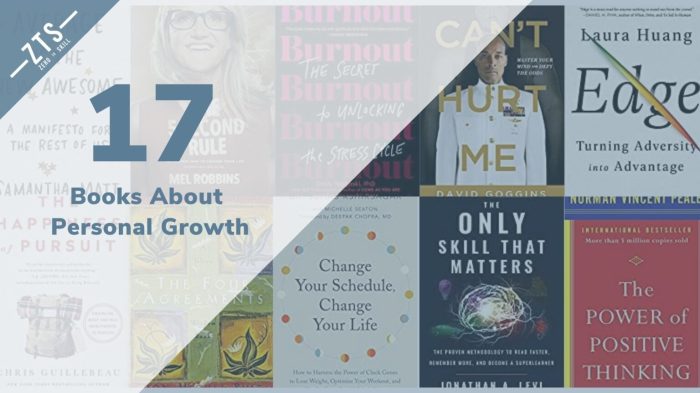
Inspirational fiction serves as a delightful bridge between storytelling and personal development, often providing readers with both an escape from reality and a gentle nudge towards self-discovery. These narratives are sprinkled with motivational themes, showcasing characters who rise from the ashes like Phoenixes with a penchant for self-improvement, often accompanied by a wise mentor or a talking animal. Let’s dive into the characteristics of this genre that can ignite the flames of growth within us!
Characteristics and Effects of Inspirational Fiction
Inspirational fiction is characterized by its ability to uplift, motivate, and provoke thought. The narratives typically feature relatable characters facing significant challenges, much like that moment when you realize that the only thing standing between you and that extra slice of cake is your willpower. As readers connect with these characters’ journeys, they often reflect on their own lives, seeking to unlock their potential.
Here are some of the key characteristics and effects of inspirational fiction:
- Relatable Characters: Often flawed yet endearing, the characters in inspirational fiction are mirrors reflecting our own struggles and triumphs, reminding us that perfection is a myth. Imagine a protagonist who stumbles through life, falling face-first into a pie, only to emerge with a newfound zest for life—like your favorite sitcom but with a side of wisdom.
- Transformative Journeys: The plot often revolves around personal transformation. Readers witness characters evolve, much like a caterpillar morphing into a butterfly—or a couch potato becoming a marathon runner after a motivational speech from a particularly enthusiastic potato chip.
- Positive Messages: Inspirational fiction thrives on themes of resilience, hope, and the power of dreams. It’s the literary equivalent of a pep talk from your favorite motivational speaker, only with more dramatic flair and possibly some romantic subplot to keep things spicy.
- Engaging Narratives: These stories are often woven with engaging plots that grip the reader’s heart and mind, ensuring that you’re turning pages faster than you can say “self-help.” The emotional rollercoaster they present can provide catharsis and insight, leaving you feeling as though you’ve just completed a personal development seminar without ever leaving your cozy couch.
Comparison of Inspirational Fiction and Non-Fiction Personal Growth Literature
While both inspirational fiction and non-fiction personal growth literature aim to foster self-improvement, they do so through different lenses. Here’s a playful comparison to help you discern between the two:
| Aspect | Inspirational Fiction | Non-Fiction Personal Growth |
|---|---|---|
| Format | Story-driven, often with fictional elements and character arcs. | Fact-based, structured around theories, techniques, and real-life examples. |
| Engagement | Emotional engagement through characters’ journeys and conflicts. | Intellectual engagement through analysis, strategies, and practical advice. |
| Relatability | Relatable characters encountering challenges that resonate with readers. | Directly applicable concepts and strategies relevant to personal development. |
| Delivery | Inspired by creativity and imagination, often leaving readers with a warm, fuzzy feeling. | Informative and direct, aiming for actionable insights and knowledge. |
Notable Works of Inspirational Fiction
Several works of inspirational fiction capture the essence of personal growth, each with its unique narrative that encourages readers to reflect on their lives. Notable examples include:
- “The Alchemist” by Paulo Coelho: A tale about a shepherd named Santiago who seeks his personal legend, encountering life lessons and mystical experiences that inspire readers to pursue their dreams—like a GPS for the soul.
- “Eat, Pray, Love” by Elizabeth Gilbert: This memoir-novel hybrid chronicles a woman’s journey through self-discovery across Italy, India, and Indonesia, serving as both a travelogue and a guide to finding balance in life amidst the chaos of everyday existence.
- “Wild” by Cheryl Strayed: Strayed’s solo hike on the Pacific Crest Trail leads to profound personal revelations, making it a powerful narrative of healing and empowerment—akin to a yoga retreat but with more blisters.
- “The Five People You Meet in Heaven” by Mitch Albom: This imaginative exploration of life and its meaning encourages readers to reflect on their relationships and the impact they have on others, turning every encounter into an opportunity for growth.
Final Summary
So there you have it, our whimsical waltz through the realm of personal growth books! Whether you’re looking to journal your way to clarity, absorb techniques that make life sparkle, or get lost in the pages of an inspirational tale, there’s a book waiting just for you. Now, go forth and read like your dreams depend on it, because they just might!
FAQ Corner
What are the best personal growth books?
While opinions vary, classics like “The 7 Habits of Highly Effective People” and “Atomic Habits” consistently make the cut!
How can I apply concepts from personal growth books?
Start small! Pick one technique, like journaling, and integrate it into your daily routine for lasting change.
Is inspirational fiction effective for personal growth?
Absolutely! It often provides relatable characters and scenarios that can inspire real-life change.
Do these books really make a difference?
Yes, they can dramatically shift perspectives and empower individuals to take charge of their lives!
What’s the role of journaling in personal growth?
Journaling helps clarify thoughts, track progress, and fosters self-reflection, making it a powerful tool for growth.


